Nido Program
(Ages 1 to 3 years)
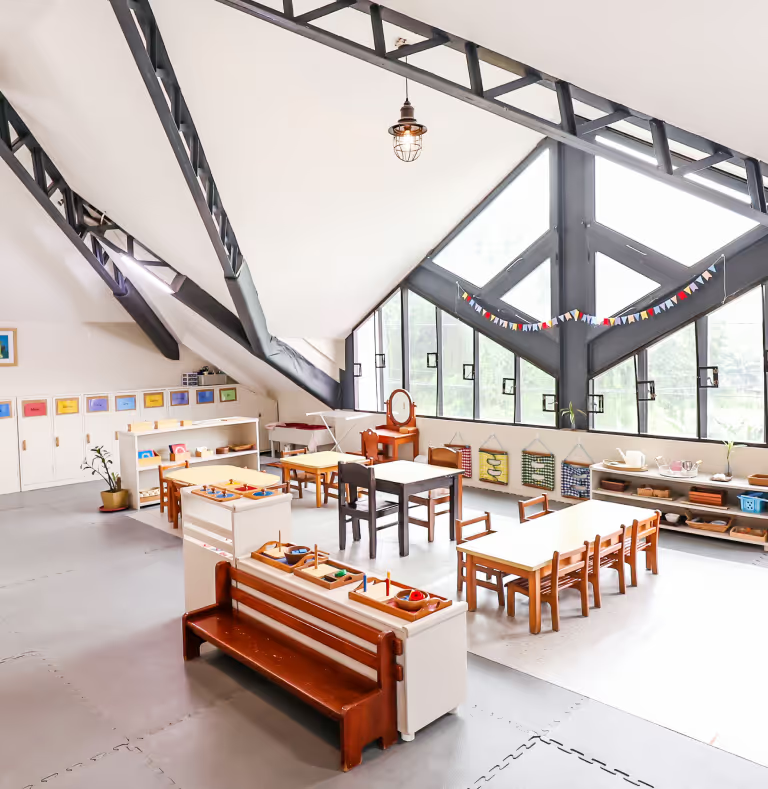
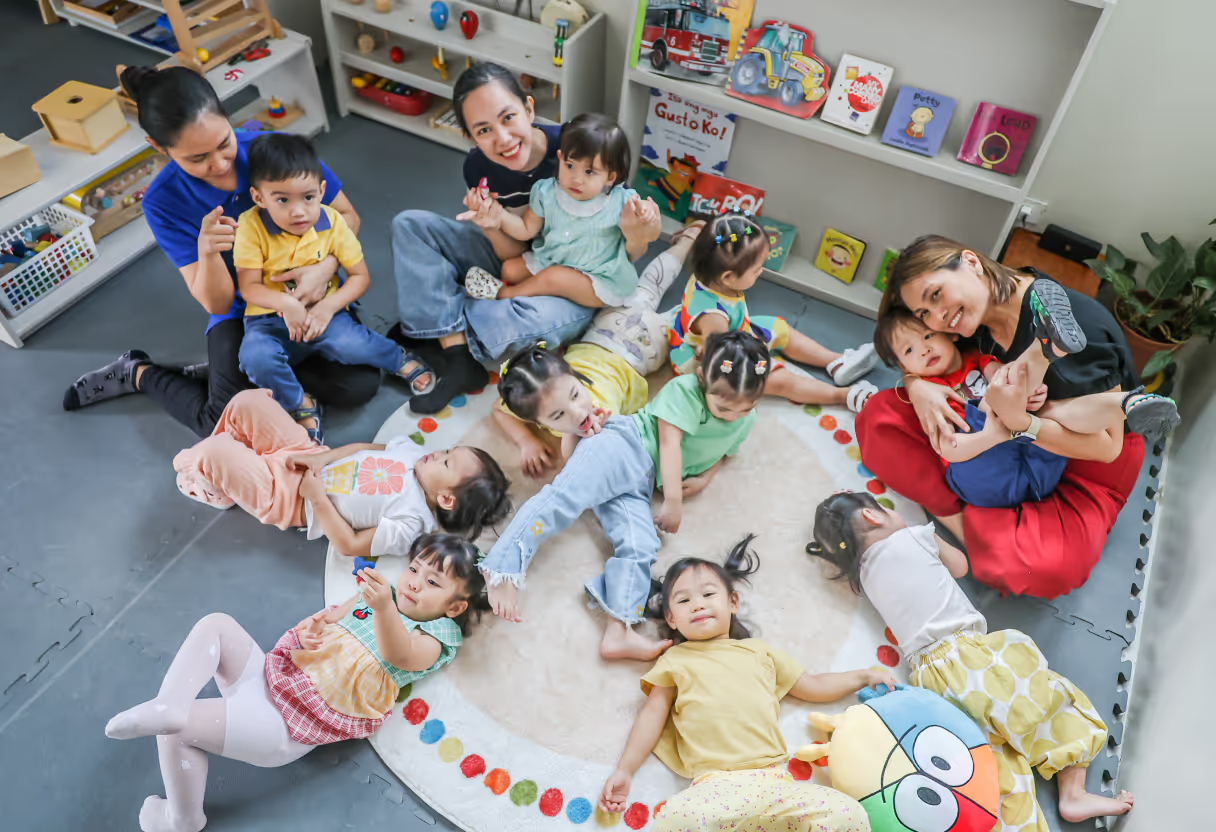
The Nido, meaning “nest” in Italian, offers a warm, secure space where children ages 1 to 3 years old explore with confidence. Thoughtfully designed with child-sized materials, it nurtures independence, discovery, and the natural growth of each child.
Both our kids truly love going to school, and IDEAS played a huge role in making learning fun and enjoyable from the very start. We saw growth almost immediately — within just 1–2 months of NIDO, both of them began speaking more and became so much more confident.
Curriculum Highlights
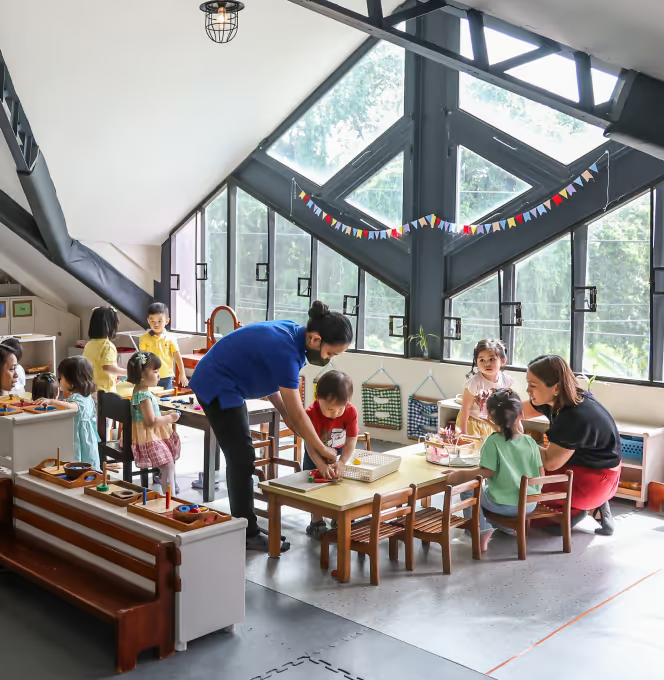
The day unfolds in a peaceful, engaging space where children explore freely and build trust in their surroundings. Teachers guide them through meaningful routines that balance movement, rest, and discovery.
Language
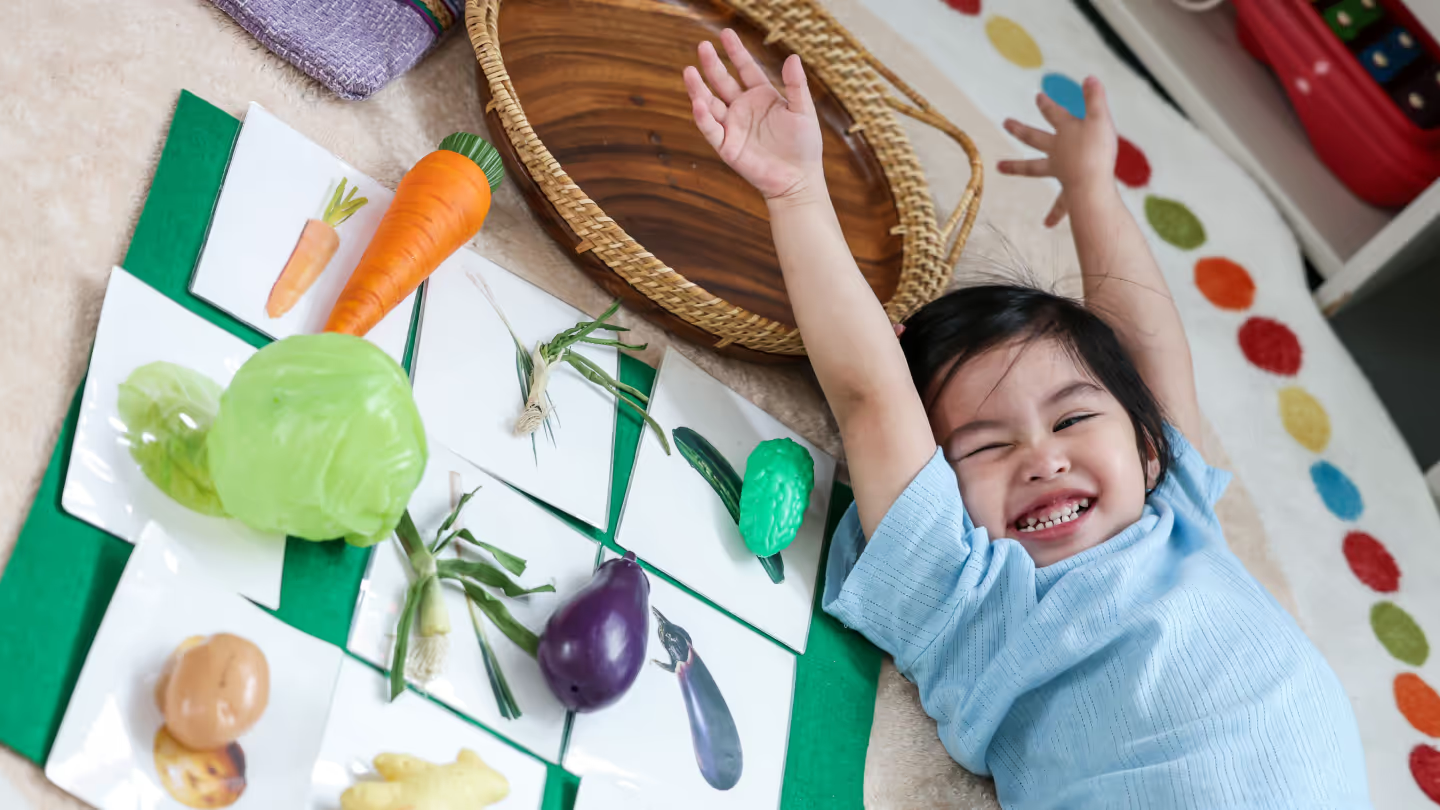
Language permeates the Nido environment. Every material and activity is designed to build the foundation for speaking, listening, and eventually reading and writing. Children engage with real objects, replicas, and miniatures that enrich vocabulary and bridge the connection between words and the world around them. Picture-matching cards, storybooks, and conversations with teachers further nurture expressive and receptive language in joyful, natural ways.

Practical Life
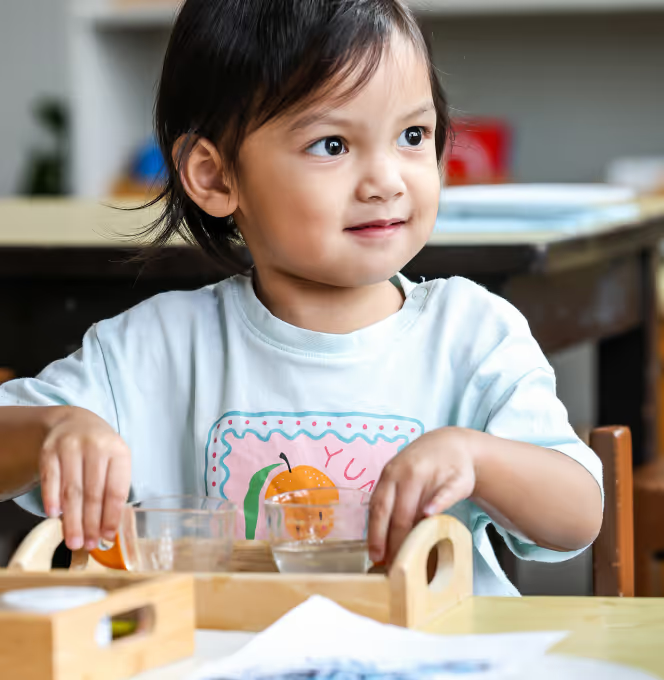
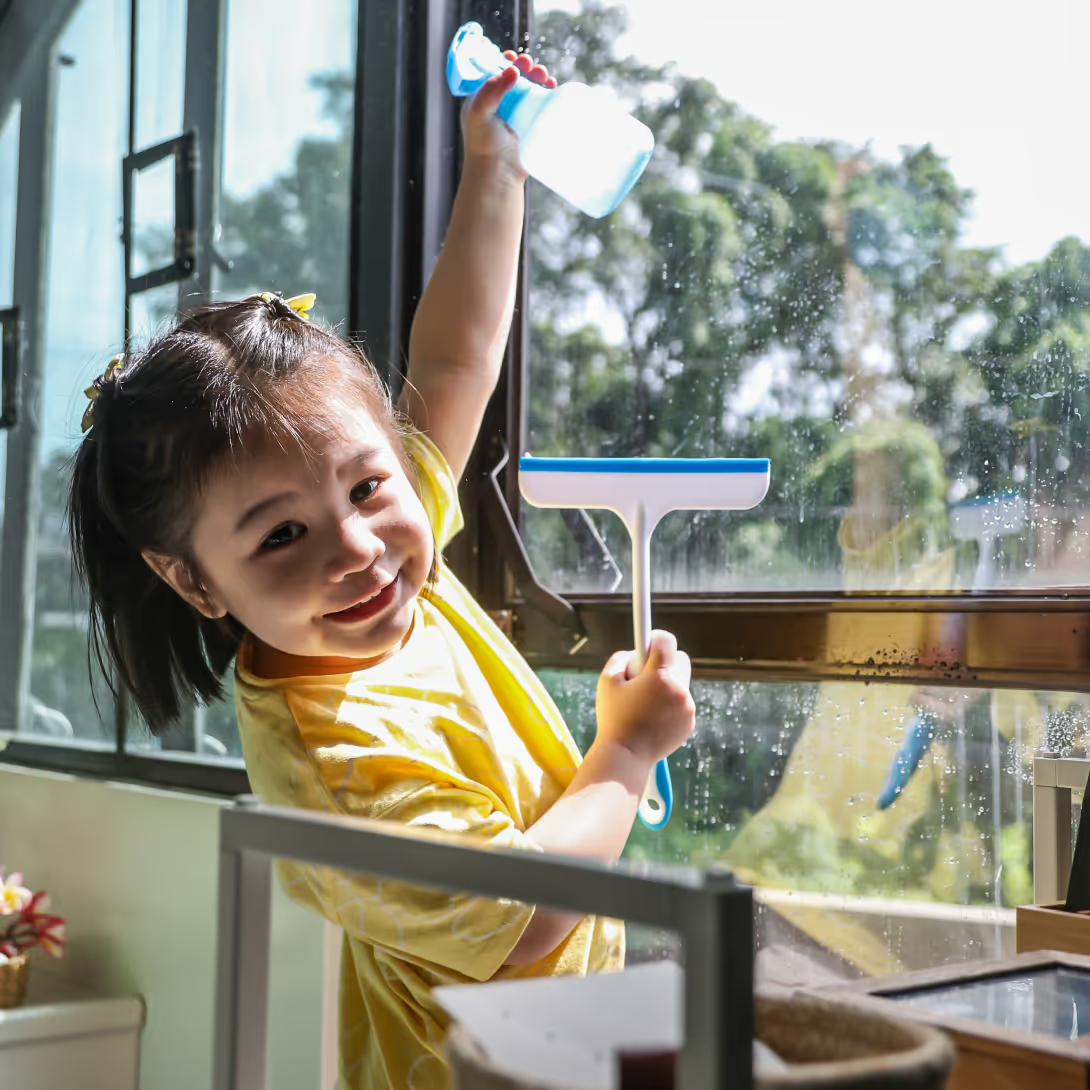
Toddlers are naturally drawn to the daily activities they observe in their homes. The Practical Life area of Nido allows them to participate meaningfully, caring for themselves and their environment while building confidence and coordination. Activities include putting on shoes, combing hair, washing hands, feeding themselves, setting the table, watering plants, flower arranging, and even simple food preparation. Through these small successes, children gain independence, self-esteem, and a sense of belonging.
Motor Development
Movement is integral to the Nido classroom. Carefully prepared materials and early Montessori activities support both gross and fine motor development, fostering coordination, concentration, and confidence. Every element is intentionally designed to be accessible and age-appropriate, allowing children to explore, succeed at their own pace, and take their first step toward independence in a safe and nurturing environment.

Music
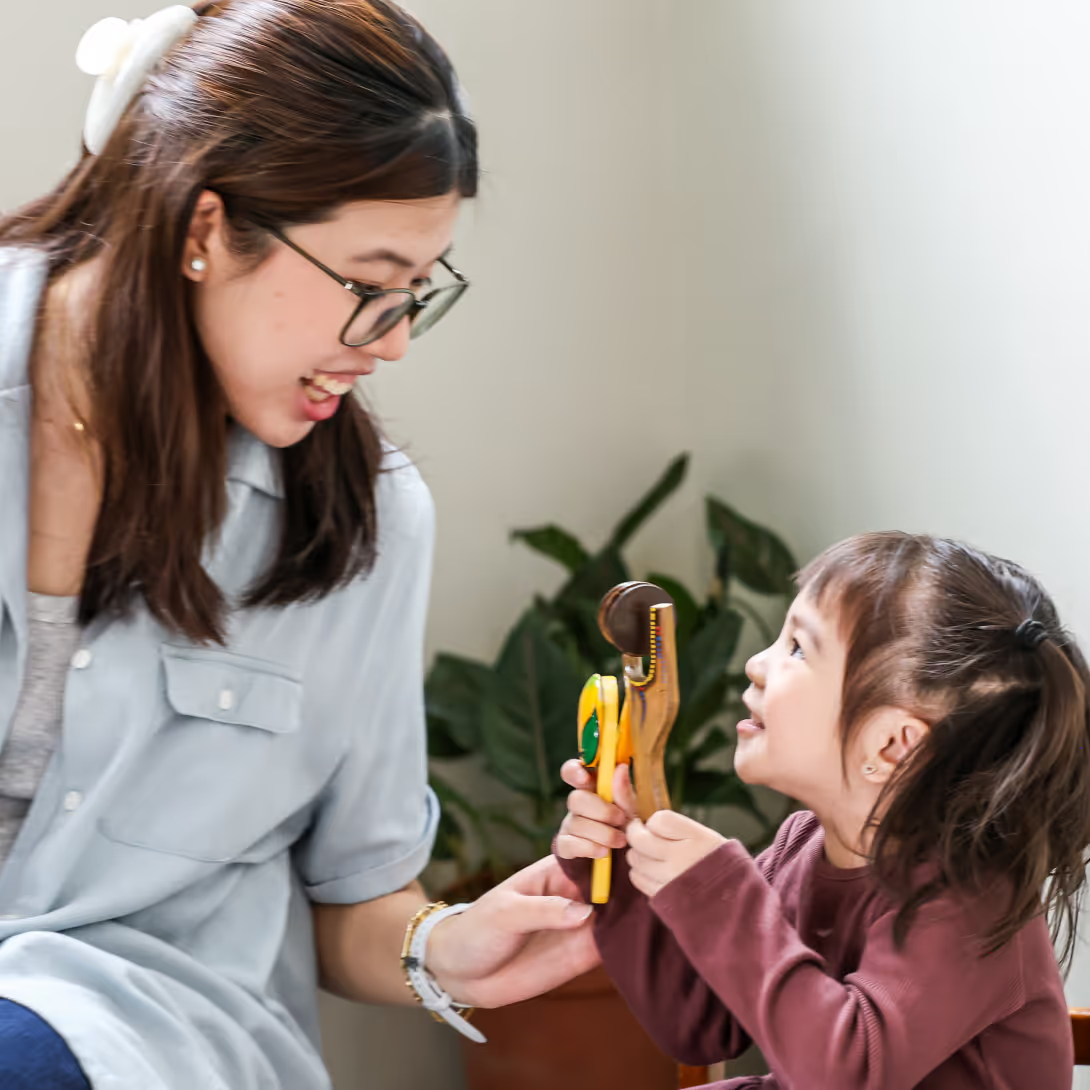
Music is an essential part of the Nido day. Teachers use songs to mark transitions, welcome children, and bring joy to routines. A variety of simple instruments are available for exploration, helping children refine rhythm, listening, and motor skills while expressing themselves through sound.
Arts and Sensory Play
In Nido, art is an open-ended process that honors exploration over the final product. Through simple art and sensory experiences, children explore texture, color, and movement while developing curiosity, concentration and an early understanding of cause and effect.

An Environment Designed for Discovery
In the Nido environment, every detail is intentional. The space is calm, orderly, and beautiful—designed to meet the needs of the youngest learners while inviting exploration at their own pace. Low shelves, natural materials, and child-sized furnishings allow toddlers to move freely and make independent choices, nurturing confidence and a sense of belonging.
Teachers observe each child carefully, offering guidance and support that matches their unique rhythm of development. Whether it’s encouraging first steps, early words, or small acts of independence, care is always respectful and responsive.