Casa Program
(Ages 2½ to 6 years)
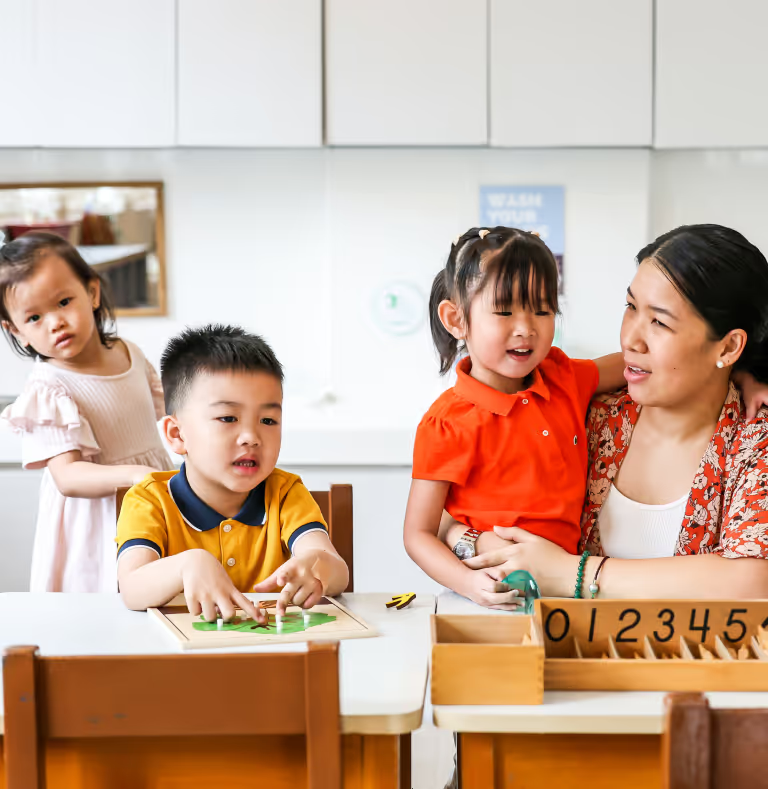
The CASA Program, designed for children aged 2 1⁄2 to 6 years old, offers a carefully prepared environment scaled to meet the needs of young learners. Within this space, children of different ages and abilities work side by side, each guided at their own pace by the teacher and supported by their peers.
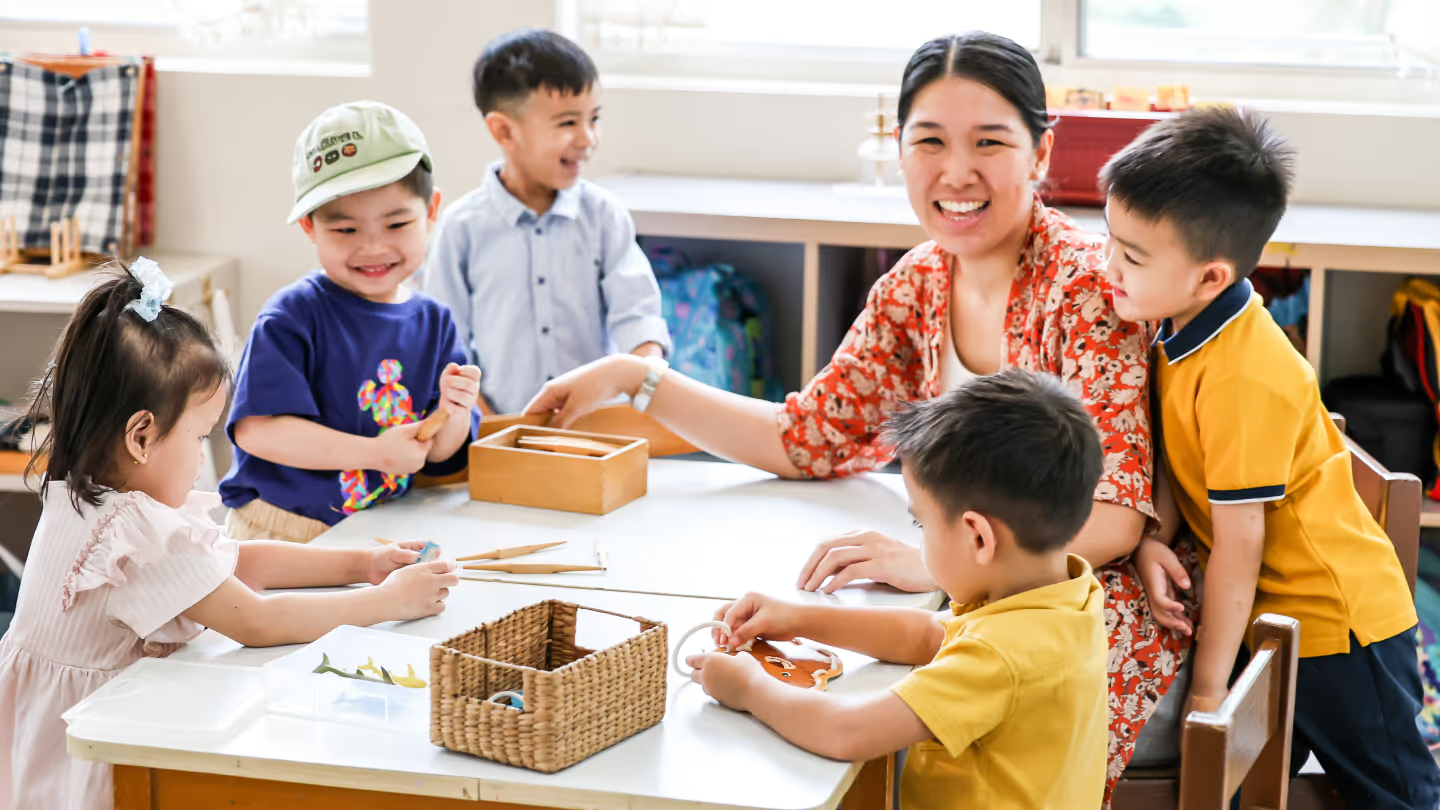
Multi-age groupings foster collaboration: younger children learn from the example of older classmates, while older children take pride in mentoring and leading.
I.D.E.A.S contributed significantly to the formation of our children’s crucial early years. The school provided a structured and consistent environment that not only made our children feel safe, but prepared them for life after preschool. What we valued most were the teachers and staff who were reliable, effective, dedicated, and compassionate.
Joining the IDEAS community will always be one of the best life choices we have ever made!
Curriculum Highlights
The Casa Program offers a rich Montessori curriculum that nurtures the whole child. Through hands-on learning in Practical Life, Sensorial, Language, Mathematics, and Cultural Studies, children develop independence, focus, and confidence. Each lesson builds curiosity and a love for discovery, laying a strong foundation for lifelong learning.
Practical Life
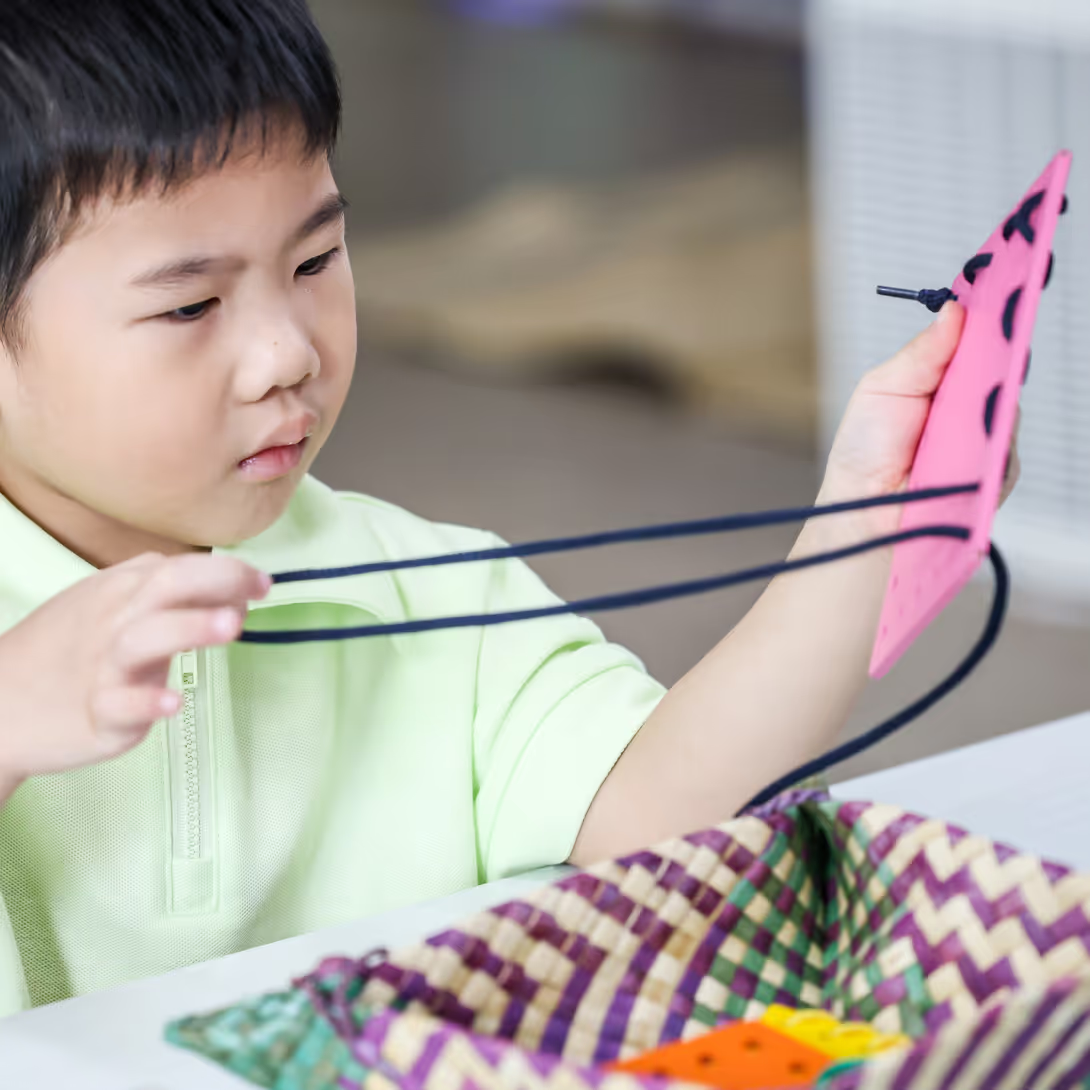
Practical Life activities form the cornerstone of the Casa classroom. These exercises mirror everyday tasks children observe at home: spooning, pouring, buttoning, sweeping, and dressing. While simple, these activities hold deep significance; they refine movement, develop concentration, and build independence. By participating in real work, children develop confidence and feel valued within their community.
Sensorial
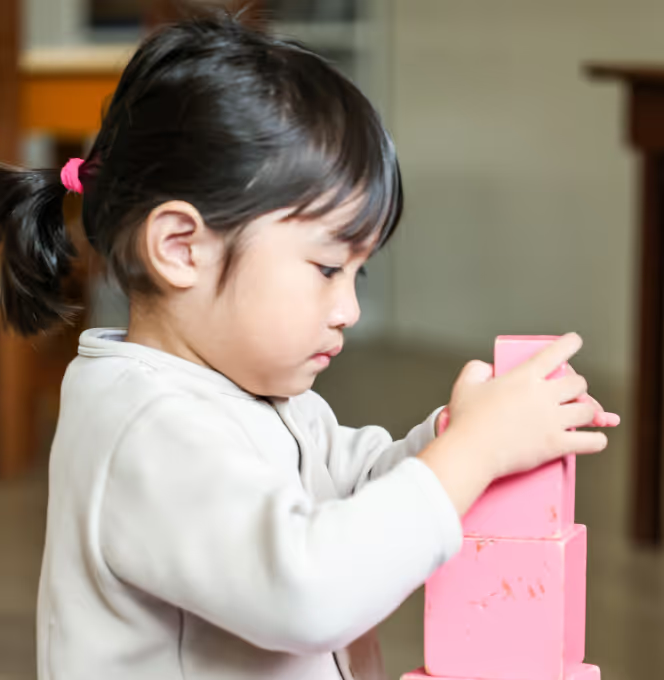
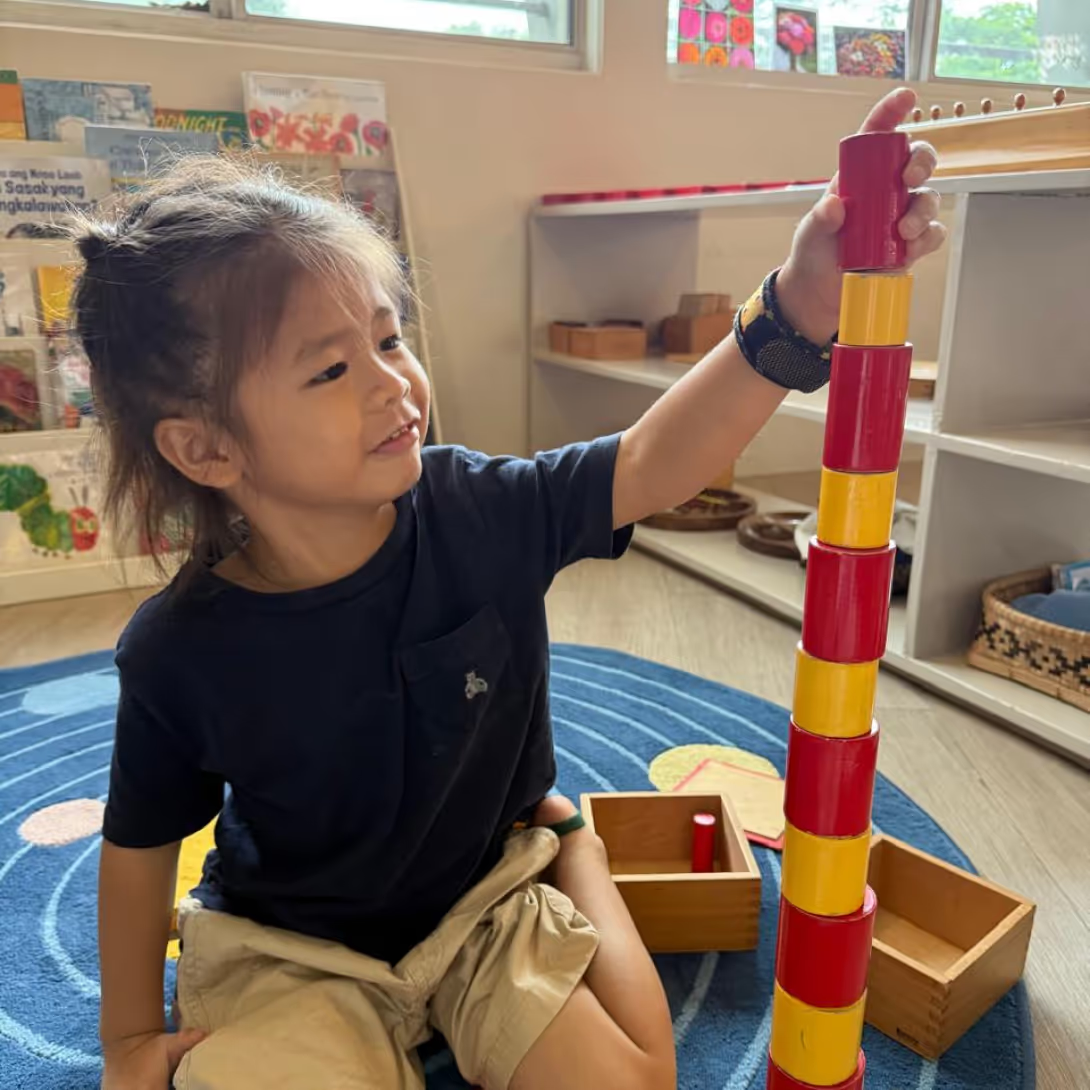
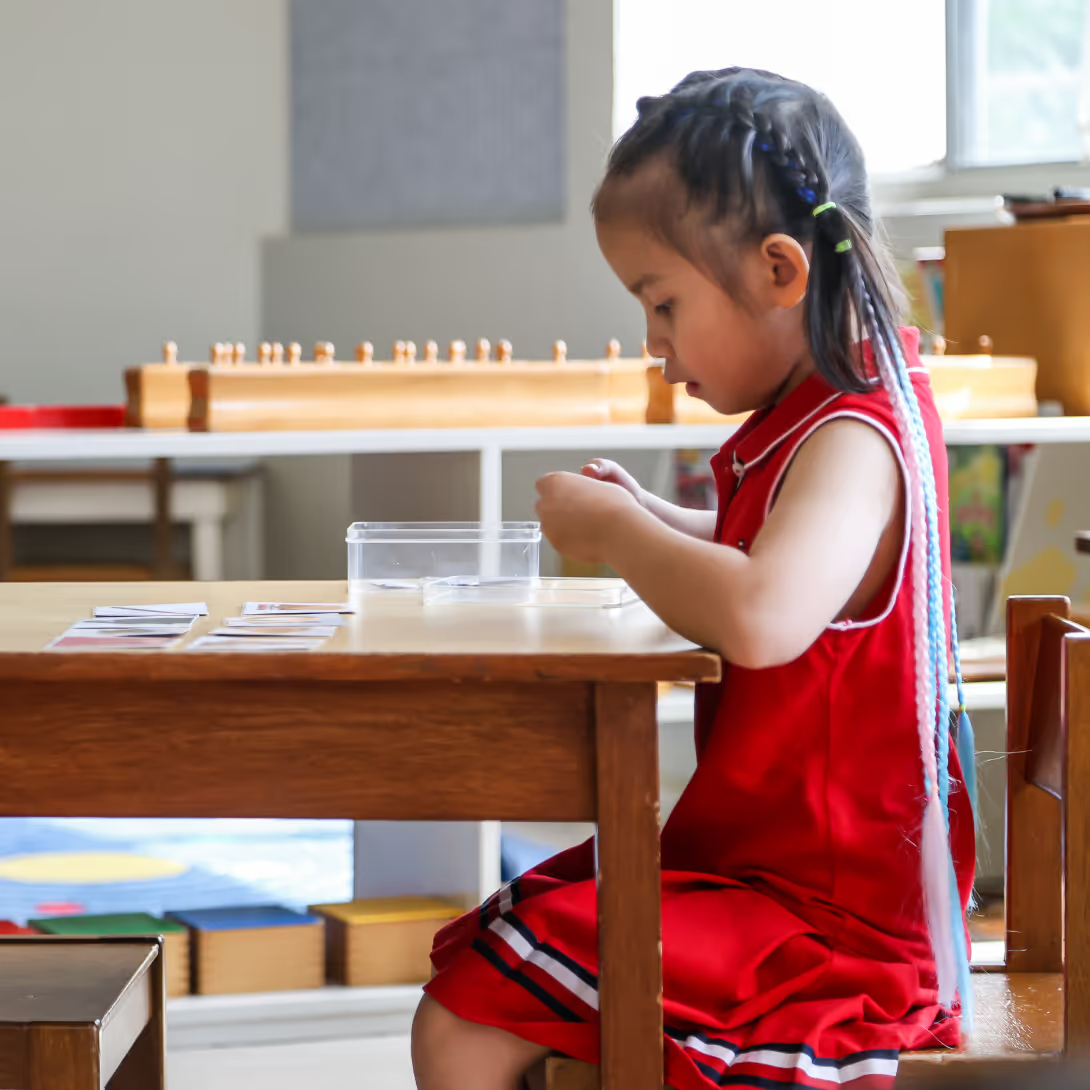
The Sensorial area offers a purposeful space where children refine their senses of sight, sound, touch, taste, and smell. Each Montessori material is beautifully crafted to isolate a single quality such as dimension, color, or pitch, allowing the child to focus on one concept at a time without distraction. Because these materials are inherently self-correcting, children learn to identify and resolve errors independently. This process does more than sharpen the senses; it builds a foundation for analytical thinking, concentration, and order.
Language
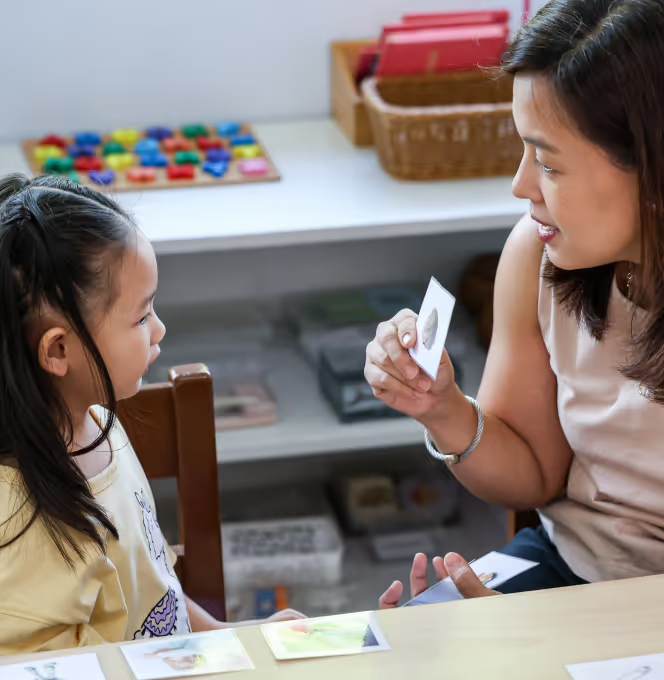
Language development in the Casa builds upon the child’s natural sensitivity for communication. The classroom is rich with songs, rhymes, storytelling, conversations, and fingerplays, all of which enrich vocabulary and foster expression. The Montessori language curriculum blends phonics with whole-language experiences. Children are introduced to letter sounds, then progress to encoding (spelling) and decoding (reading) words. Sight words and writing activities expand literacy, and language becomes a tool for thinking, creativity, and connection across all areas of learning.
Mathematics
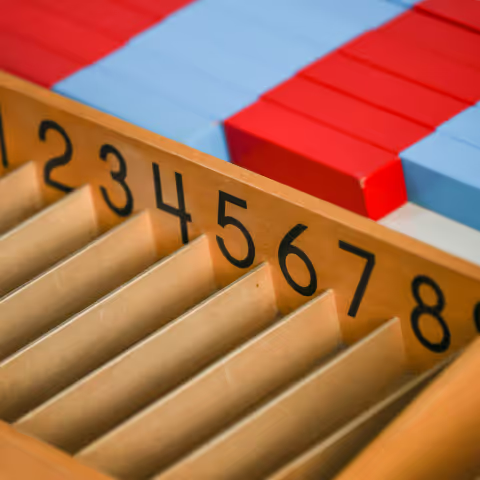
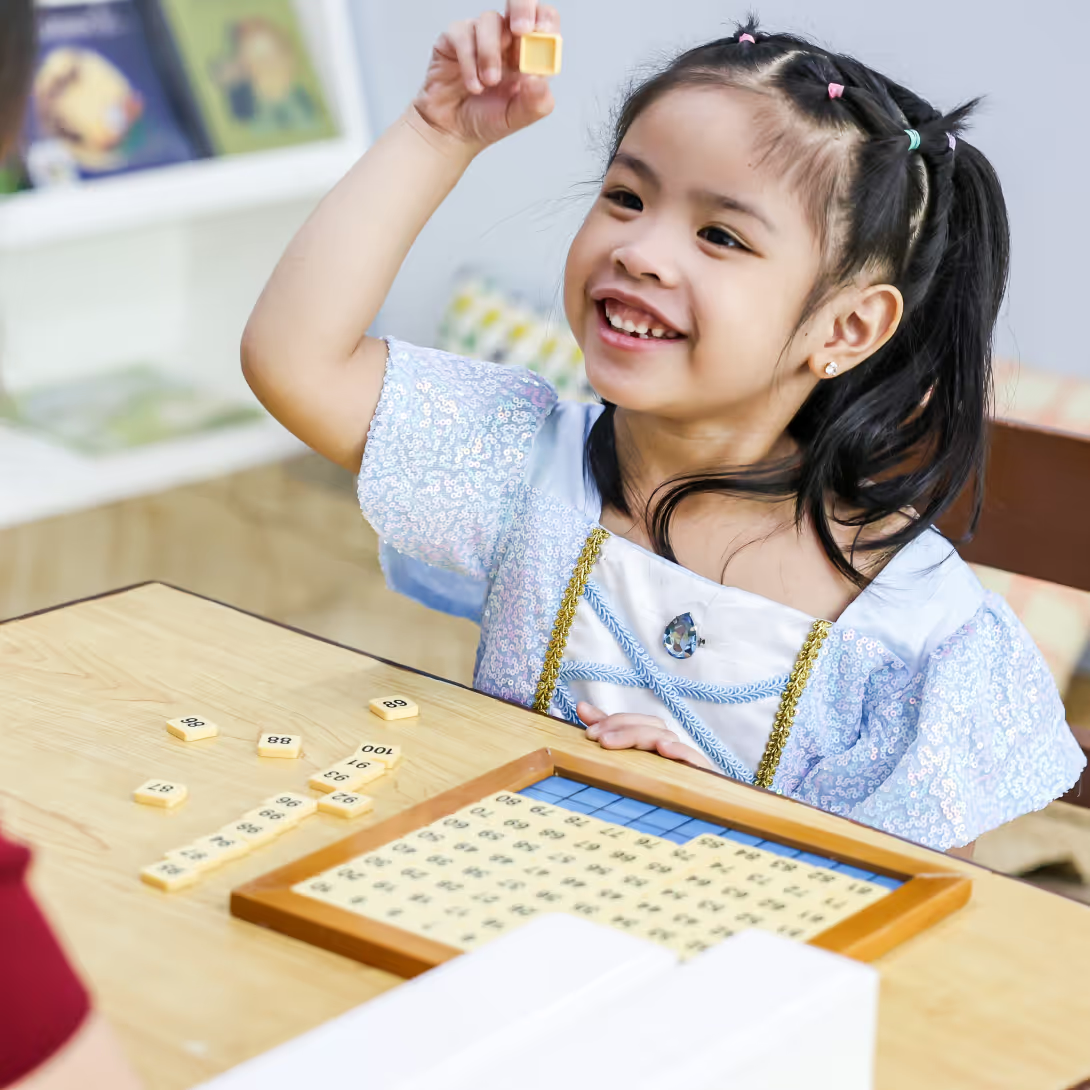
In Montessori, children are introduced to numbers through hands-on, concrete materials. Children learn concepts such as quantity, numerals, sequencing, and basic operations in an engaging way. Through manipulation and repetition, abstract math concepts become clear, fun, and understandable.
Cultural Arts
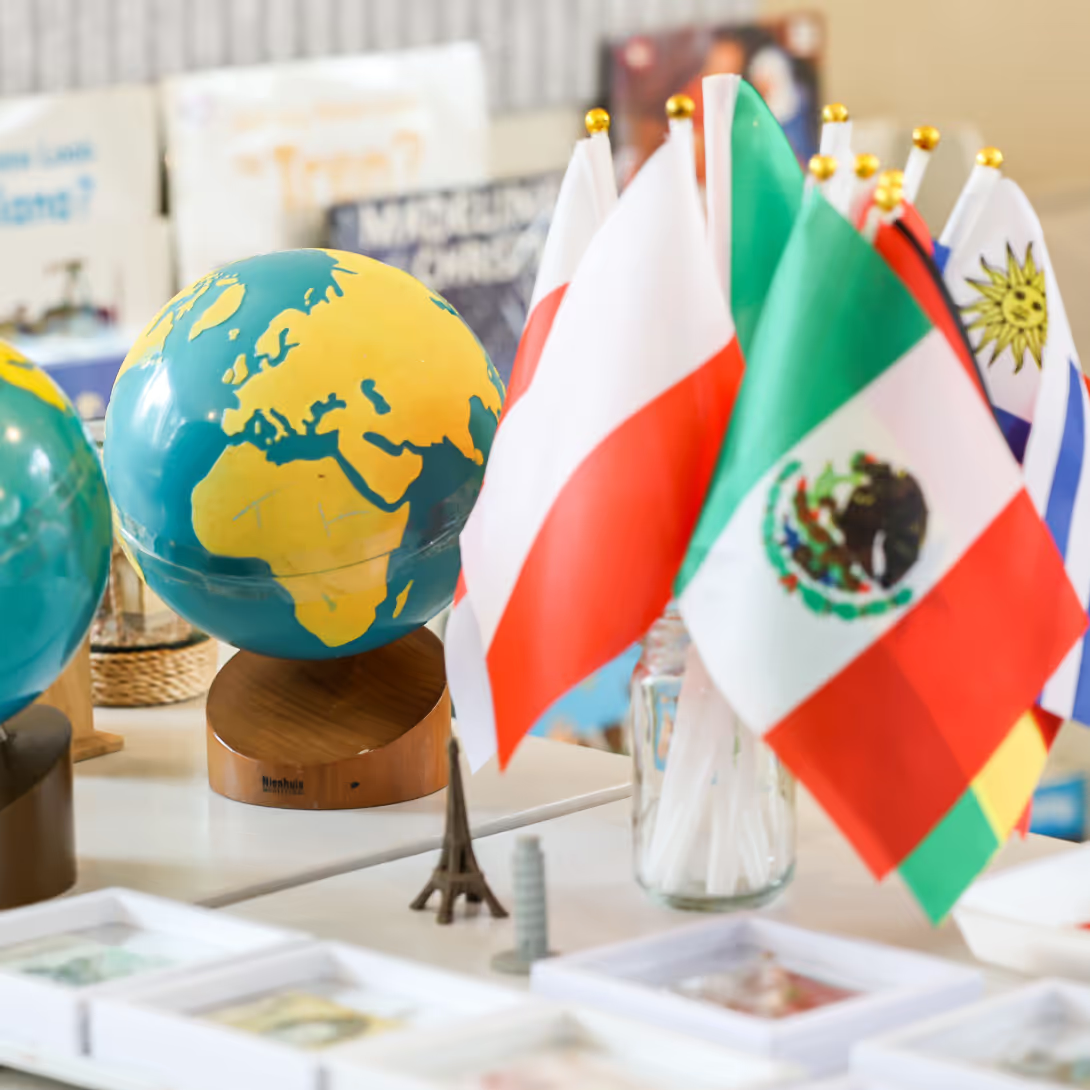
Children explore the beauty and diversity of the world through Geography, History, and Science. Purposefully designed materials such as puzzle maps, globes, cultural artifacts, and hands-on work in Botany and Zoology encourage children to make meaningful connections with the world around them.
A Joyful Space for Meaningful Learning
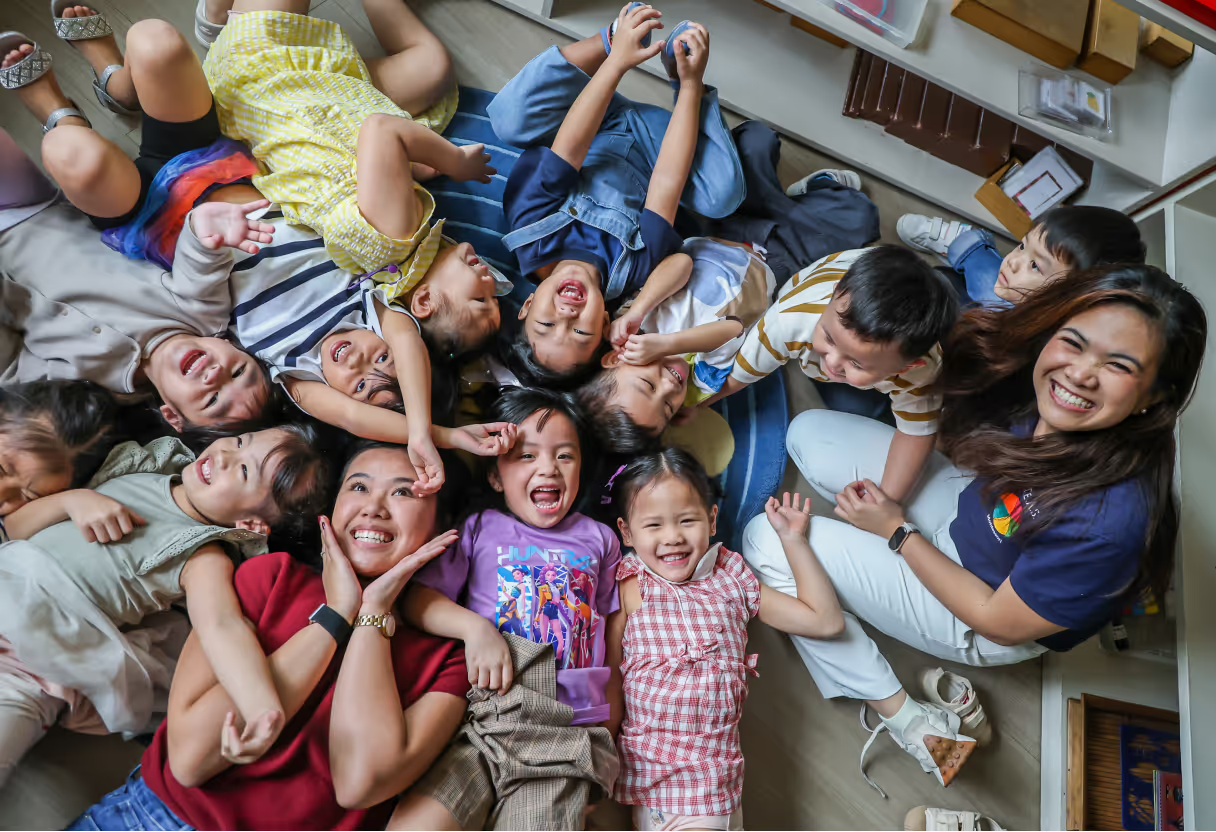
In the Casa classroom, children experience the joy of learning in a community that values individuality and encourages cooperation. By nurturing independence, curiosity, and responsibility, the Casa program prepares them not just for school, but for life.
Through purposeful materials and thematic lessons, children strengthen essential academic and social skills while gaining a deep sense of confidence and belonging. The result is a balanced foundation—where intellect, creativity, and compassion grow together in harmony.